

Feb. 05, 2026
Product
Caring for Your Body While Traveling: The Purpose of the “Health Care Seat” Posture Improvement Advisor
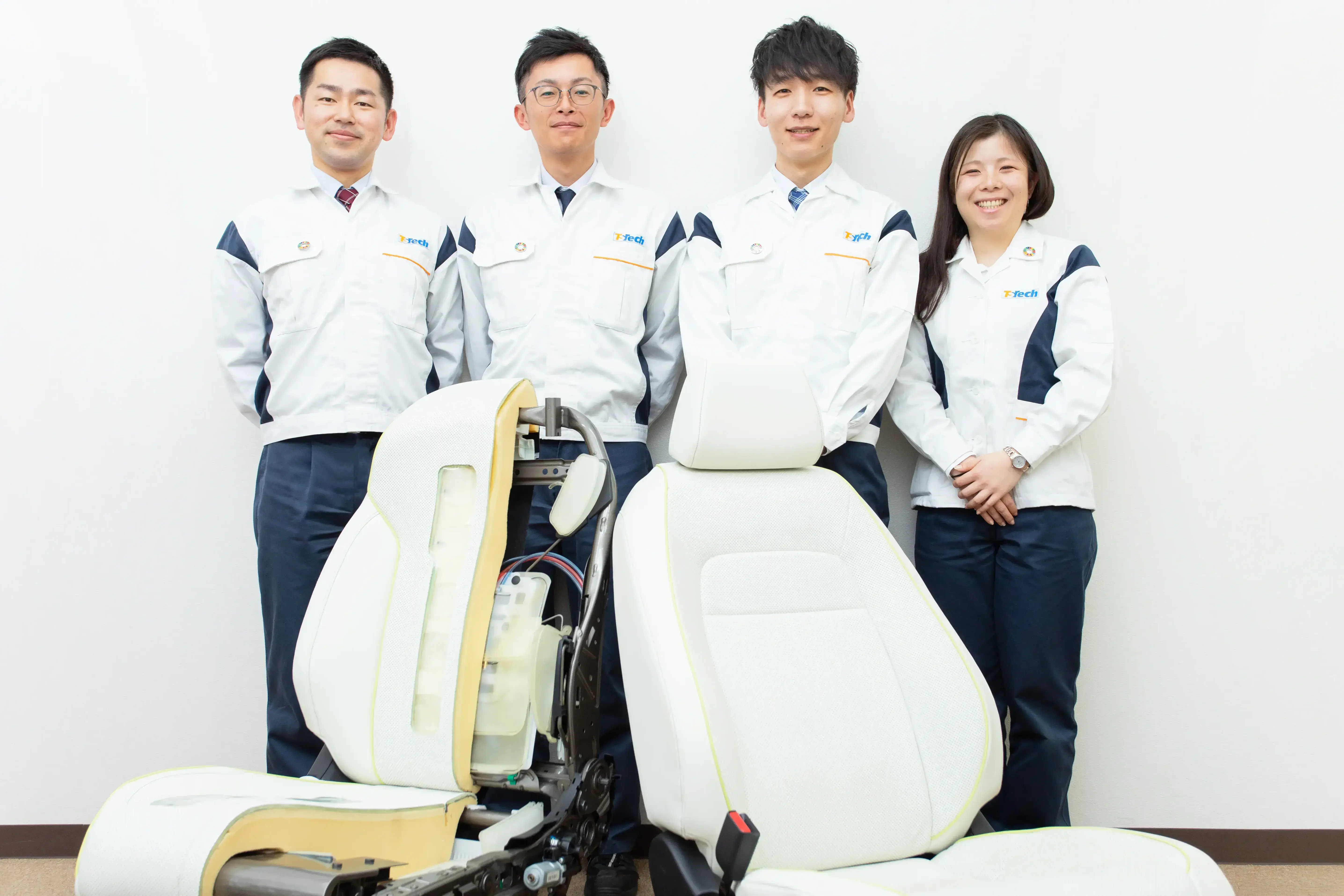
"Turning time spent traveling by car into self-care time to realign the body"
This is the concept behind the development of the Health Care Seat at TS TECH.
We spoke with project members who continue to take on the challenge of creating new value
in response to the growing importance of automotive cabin space in an age of evolving mobility.
Profile
-
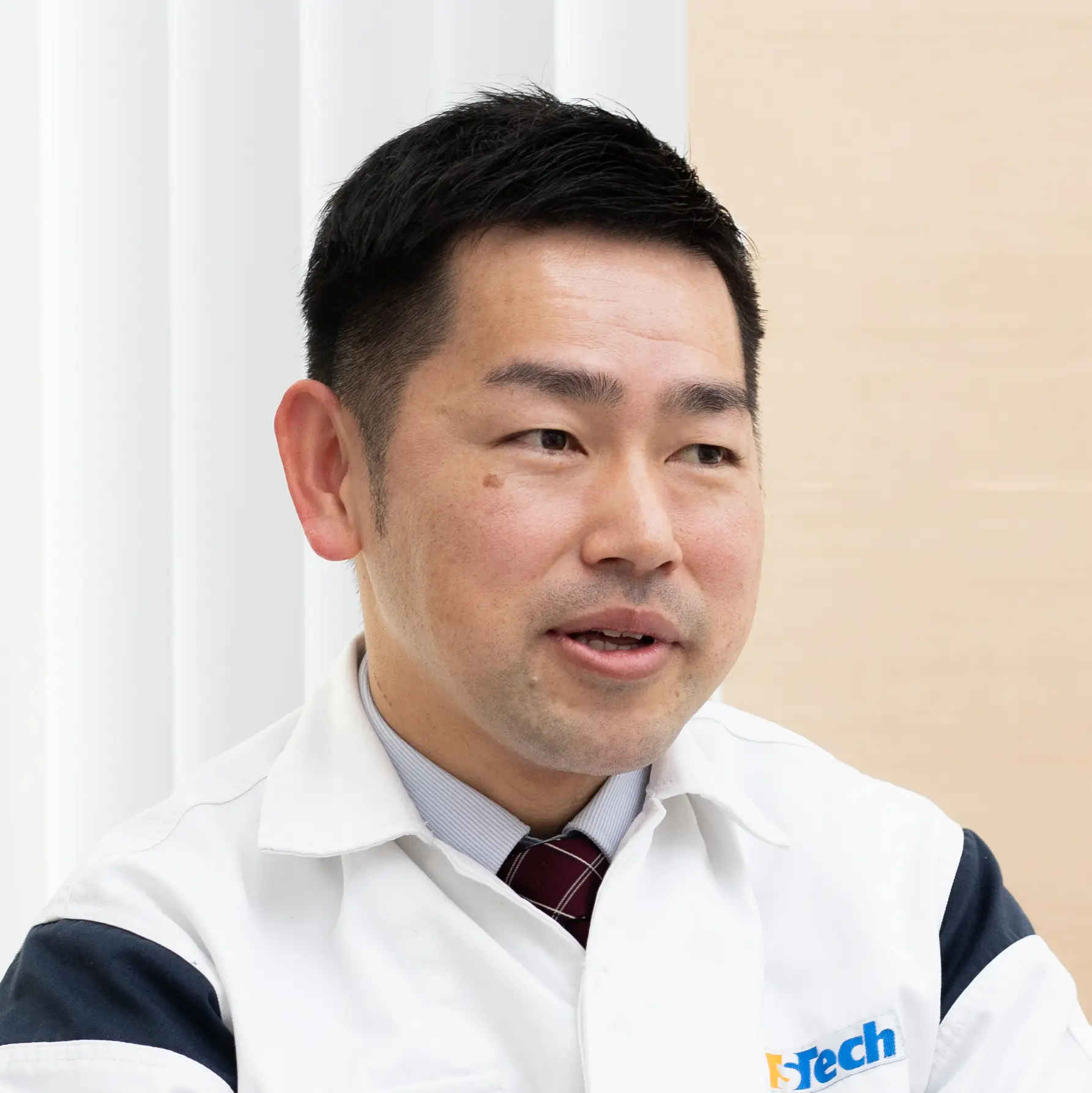
Kensuke Mizoi
Development and Testing Department
In charge of Aibou Seat development
Since joining TS TECH in 2001, he has worked at the Development and Testing Department on a wide range of advanced development projects. He was also involved in the early development of the Aibou Seat, the predecessor of the Health Care Seat, and was responsible for overseeing the entire project.
-
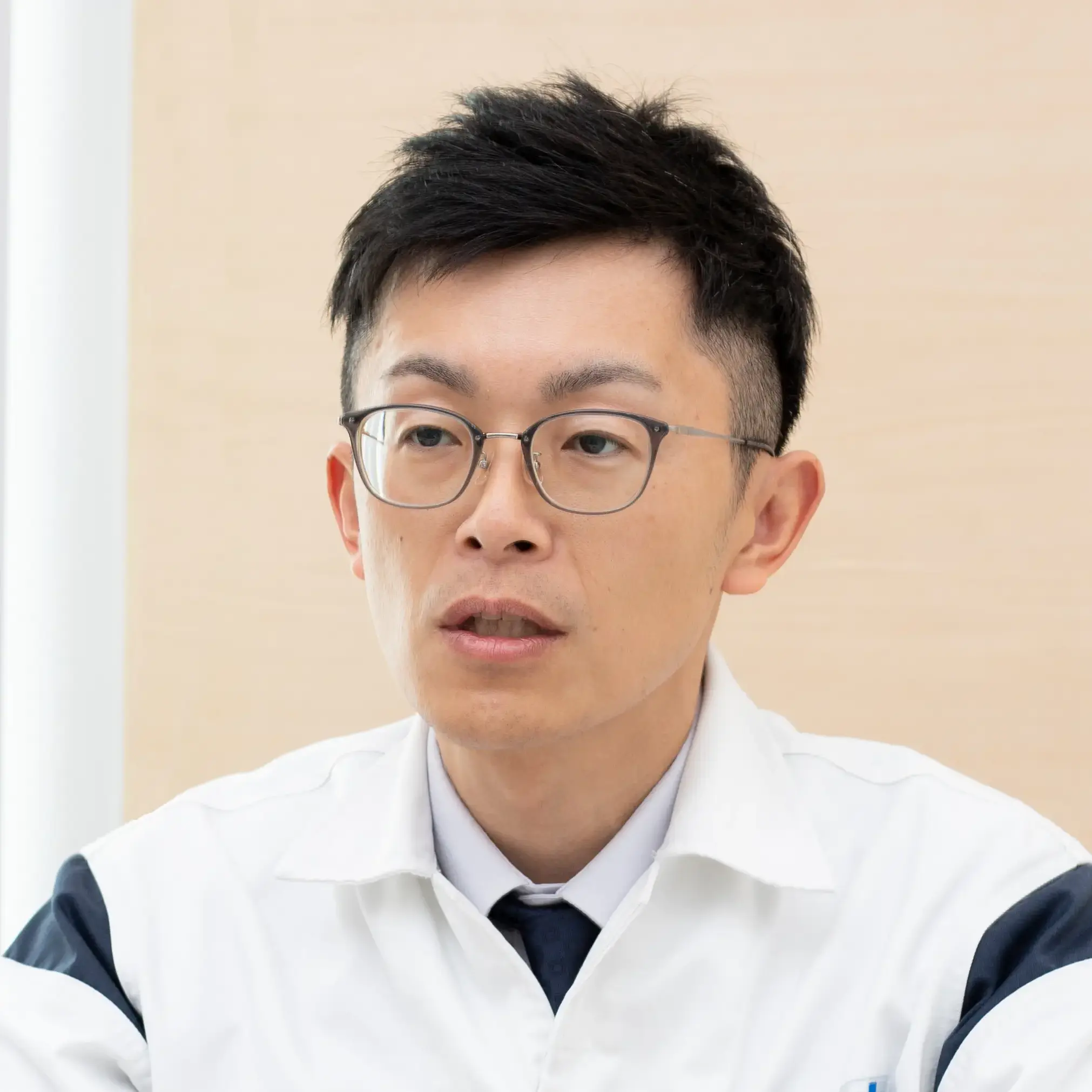
Naoto Yamauchi
Development and Testing Department
Former project leader
After joining TS TECH in 2010, he was assigned to the New Product Development Department, where he was involved in areas such as the development of electrical components. He subsequently transferred to the Development and Testing Department, where he worked on verification of commercial viability and research on health-related technologies. For this project, he served as project leader and was responsible for overseeing the entire project up to the commercial viability phase.
-
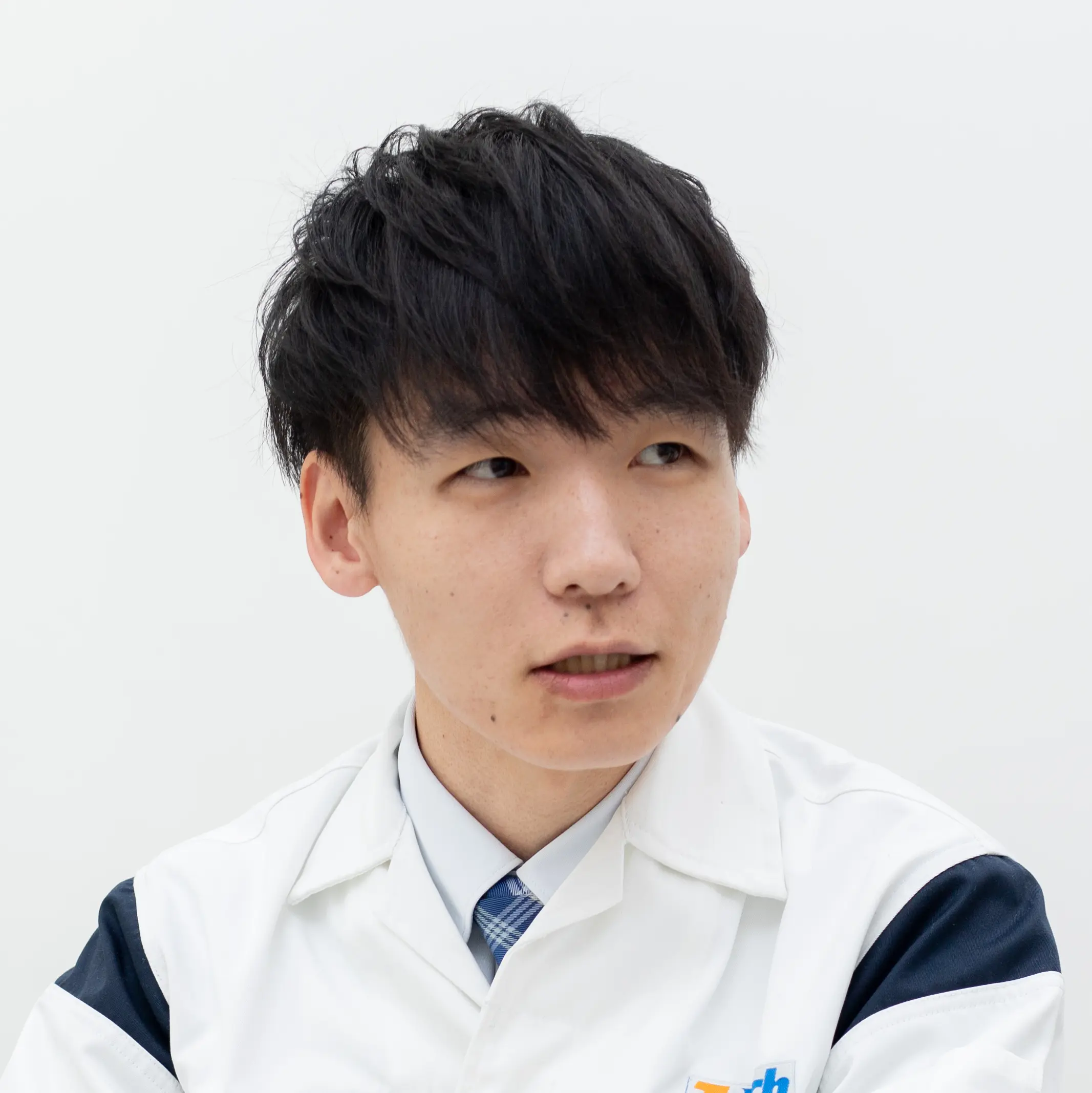
Yuta Oshino
Development and Testing Department
Project leader
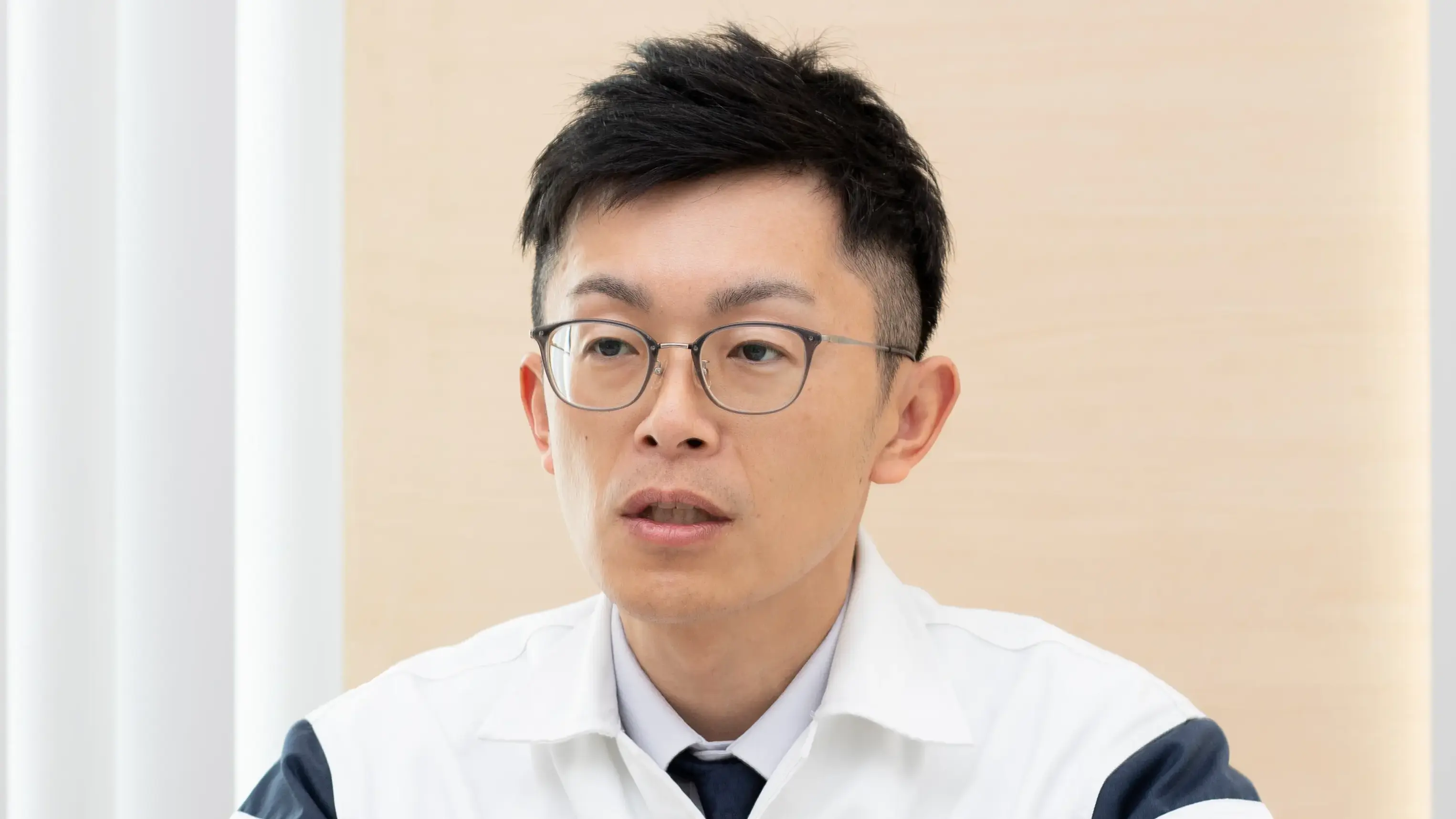
After joining TS TECH in 2018, he was assigned to the New Product Development Department. He subsequently transferred to the Development and Testing Department, where he took over the role of project leader from Naoto Yamauchi. He is currently leading the Health Care Seat project toward mass production.
-
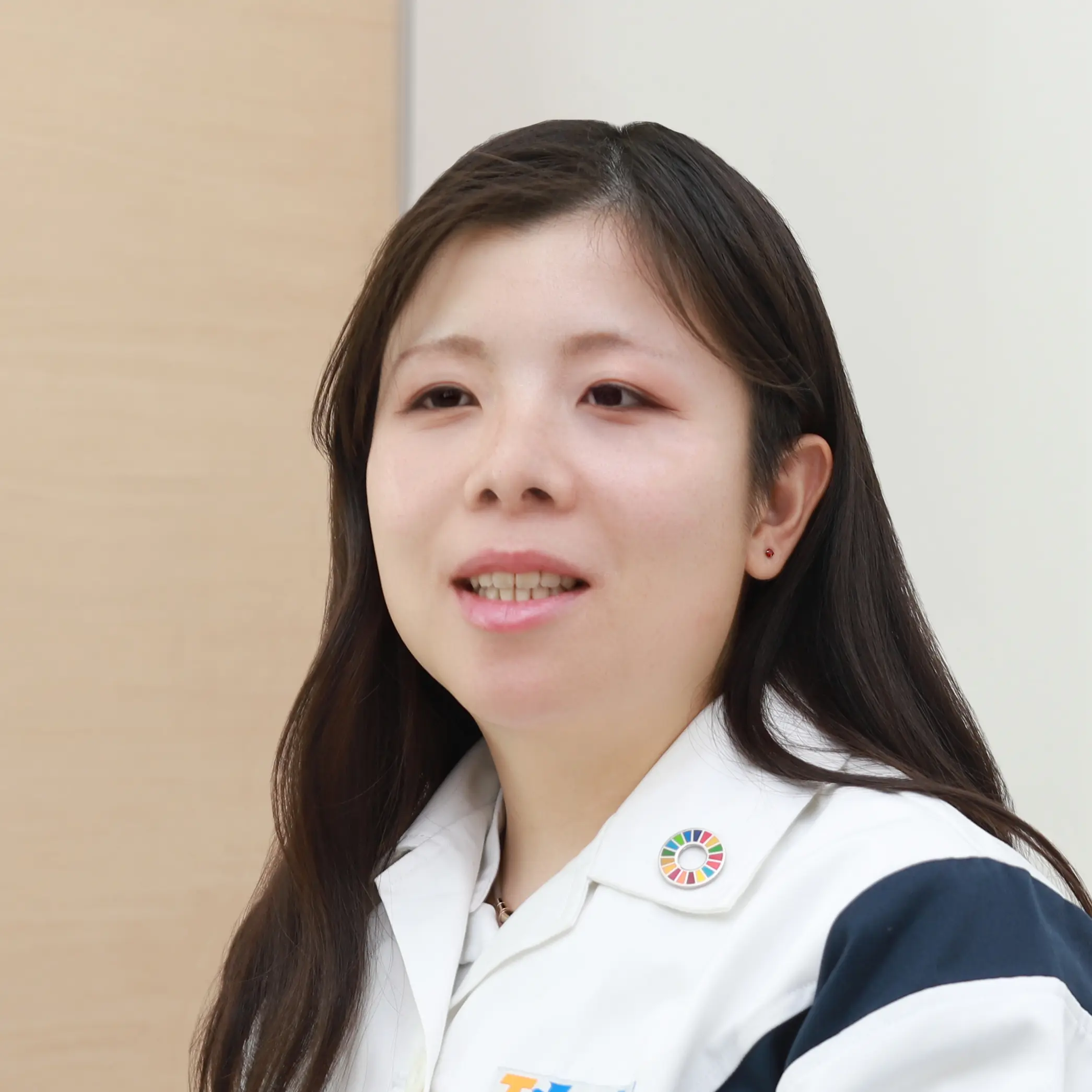
Haruna Matsushita
Development and Testing Department
In charge of testing and evaluation
After joining TS TECH in 2024, she was assigned to the Development and Testing Department, where she has worked on seat development for the Honda Prelude. For this project, as a licensed physical therapist, she draws on her expertise to optimize testing methods and evaluation metrics.
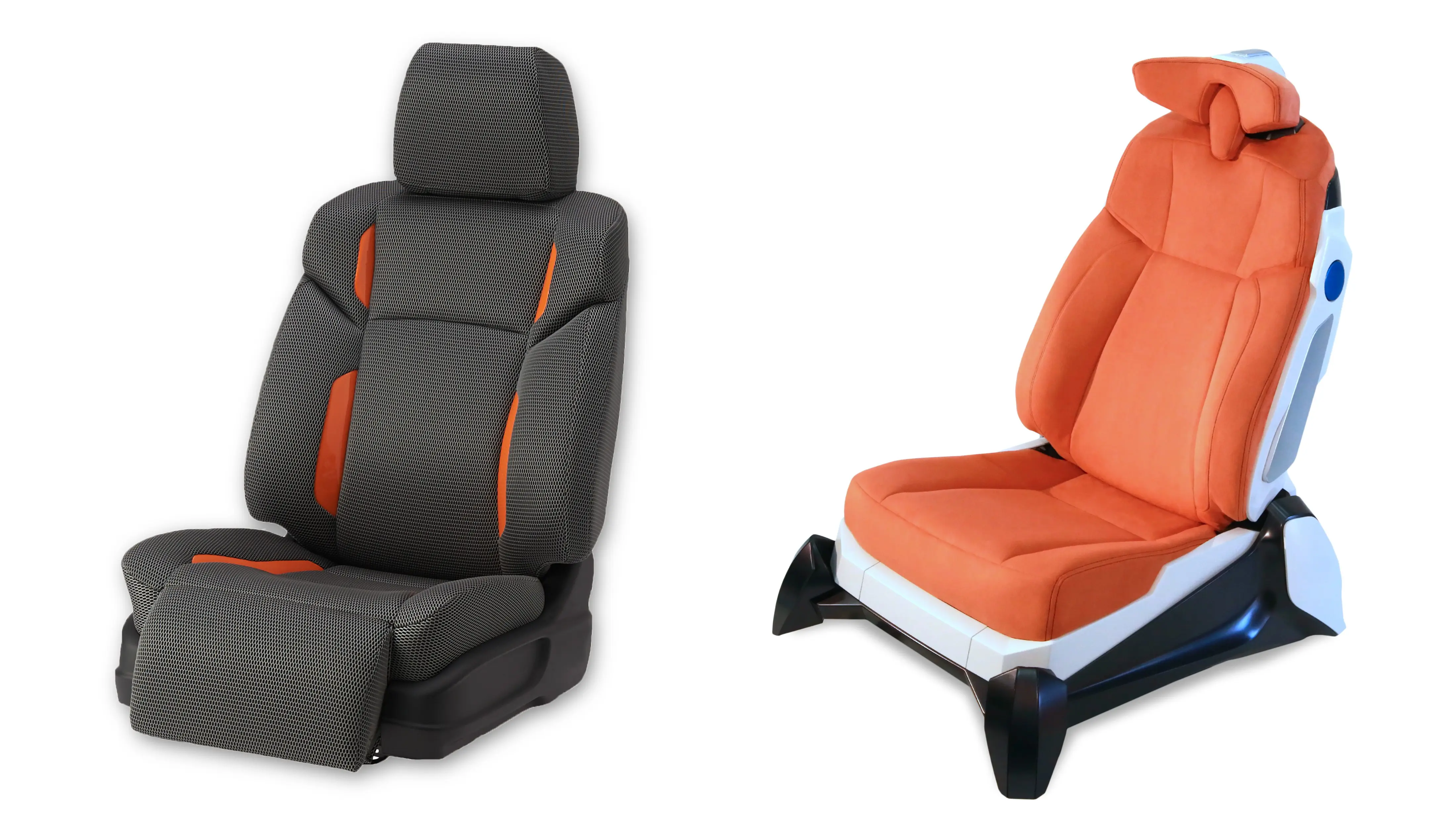
Mizoi TS TECH had an internal project called Zalabo, which brought together young to mid-level employees from various departments to study the science of sitting. That project led to the Aibou Seat, the Health Care Seat’s predecessor. The concept behind the Aibou Seat was to create a seat that understands you the moment you sit down, and supports you like a close companion. The project’s goal was to provide a comfortable, fatigue-resistant seat tailored to each individual—one that would detect the occupant’s condition and suggest the ideal shape. (Fig. 1)
As development proceeded, we incorporated various other functions, including posture recognition, driving posture support, and drowsiness detection. But when we took a look at what was truly needed by society, we saw growing demand in areas such as the increasingly aging society and rising health awareness. This led to the current Health Care Seat development.
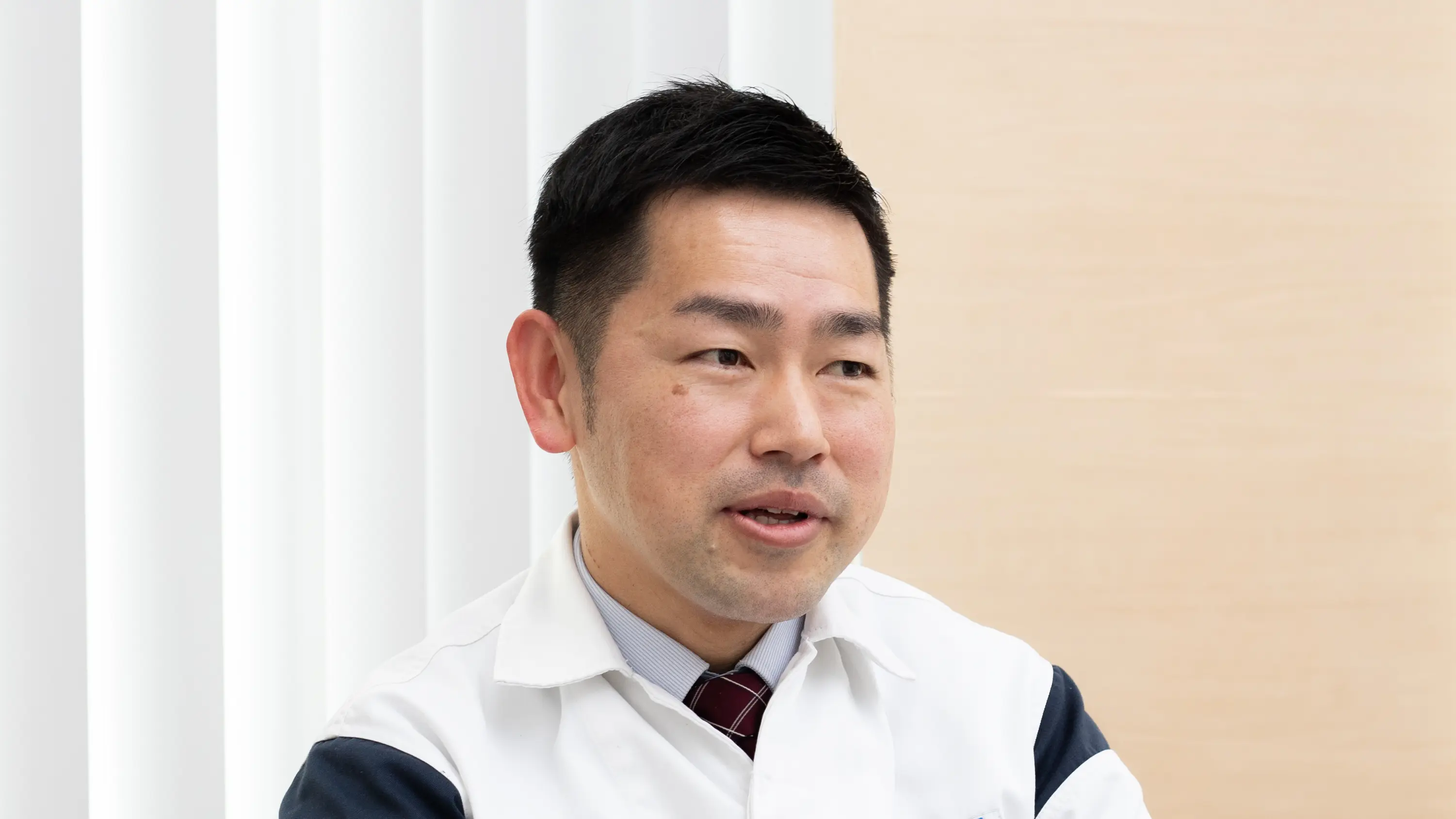
YamauchiThe health care sector covers a broad scope, so the project began by examining what areas TS TECH should focus on. We subsequently decided to focus on lower back pain, one of the most common health issues worldwide. Further investigations revealed that, in many cases, lower back pain is caused by everyday posture and imbalances in the muscles from the back down to the legs. That suggested the idea that since seats are the part of the vehicle closest to the human body, they might offer a way to address these issues. That, in turn, led to the current seat development focusing on posture improvement.
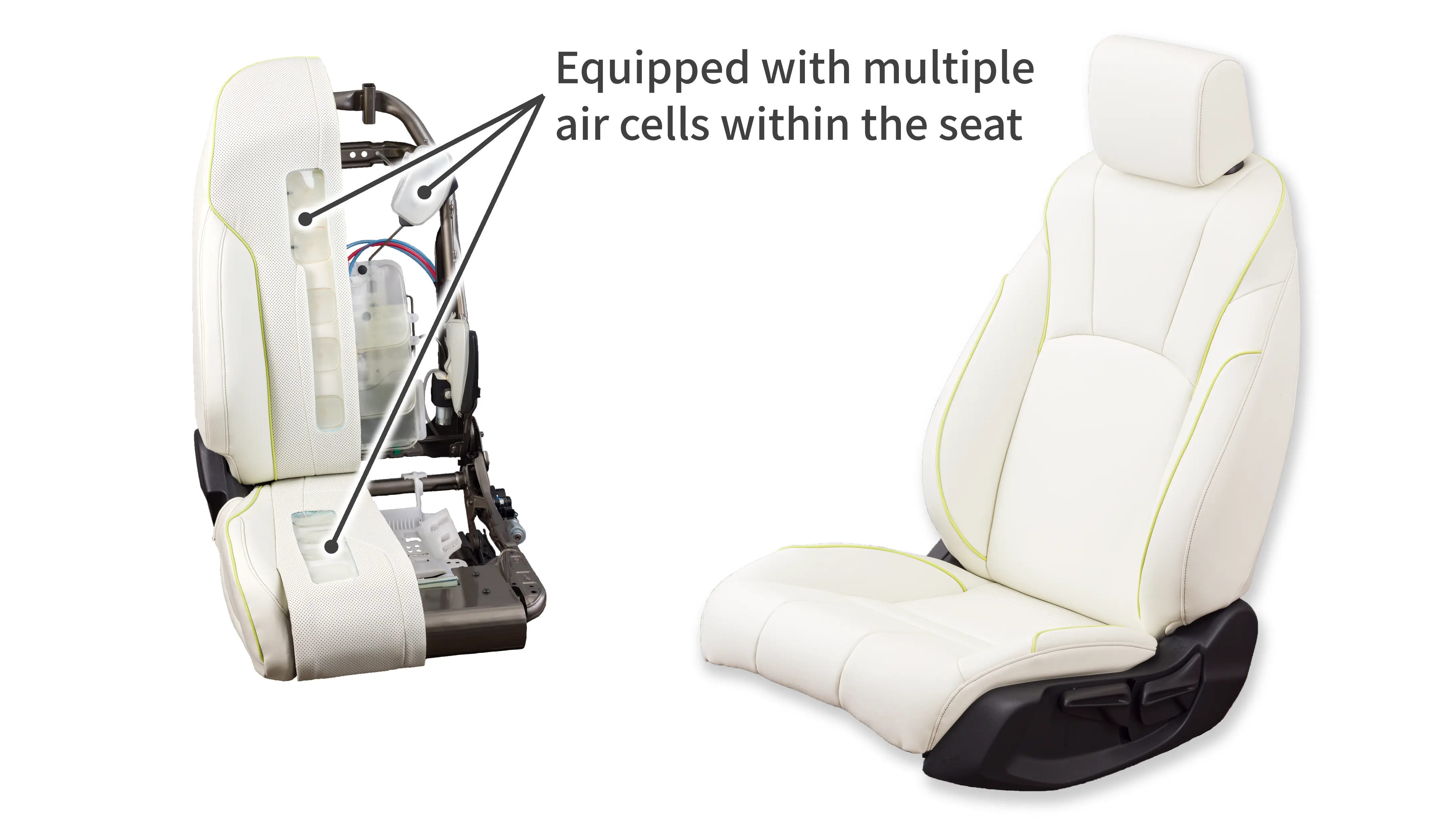
The Yamauchi The Health Care Seat is a multifunctional seat designed primarily to measure and improve posture, and to suggest seat positions and posture improvement approaches tailored to each occupant. It features multiple air cells within the seat back and seat cushion, as well as around the shoulders and waist. These are combined with sensors built into the air distribution valves to realize various functions. (Fig. 2)
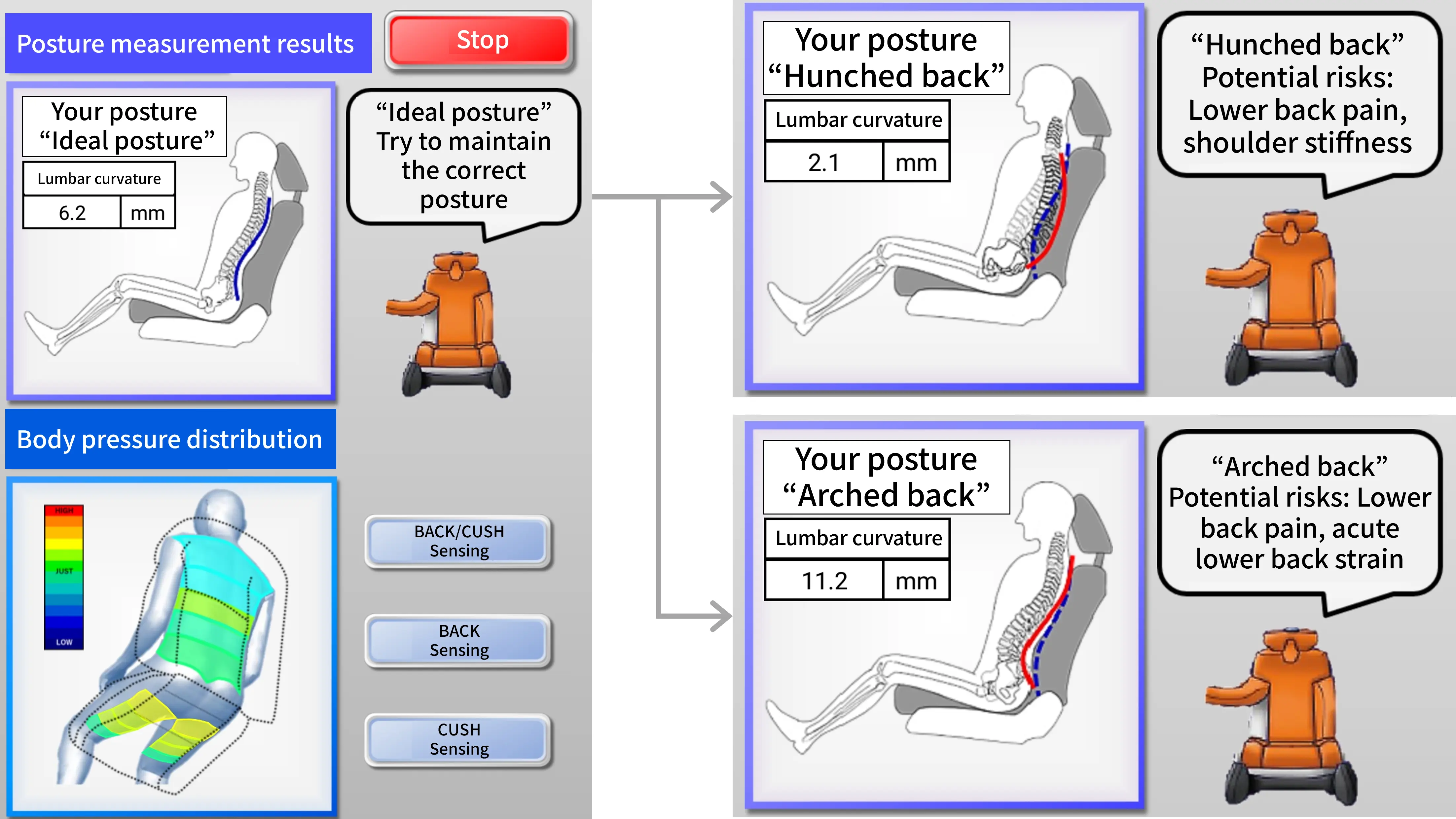
For example, posture measurement involves sensing the differences in the pressure applied to each air cell in the seat back when an occupant sits down to evaluate the spine curvature. The results are output to a tablet monitor to evaluate one of five posture levels, from a hunched back to an arched back. (Fig. 3)
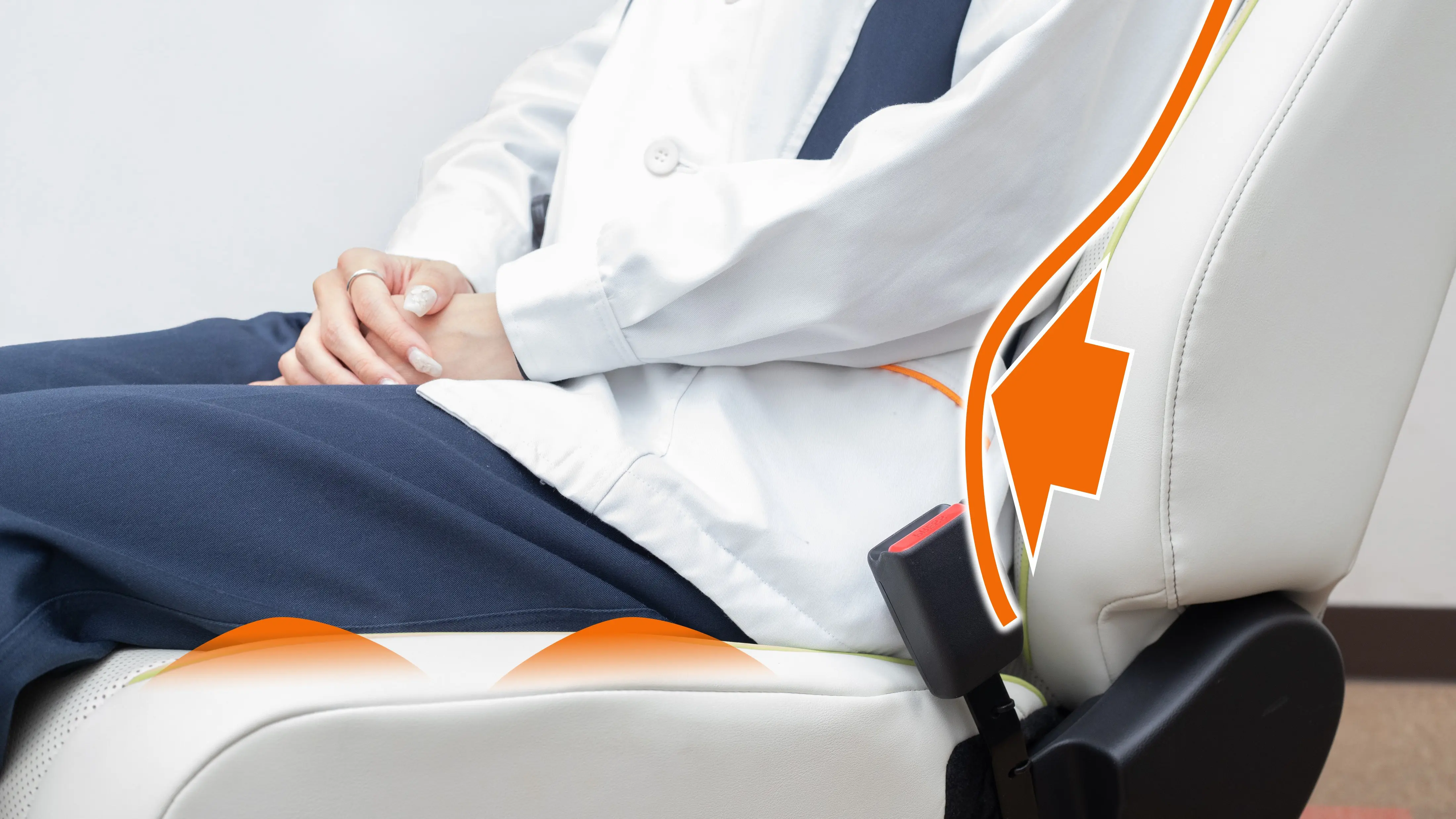
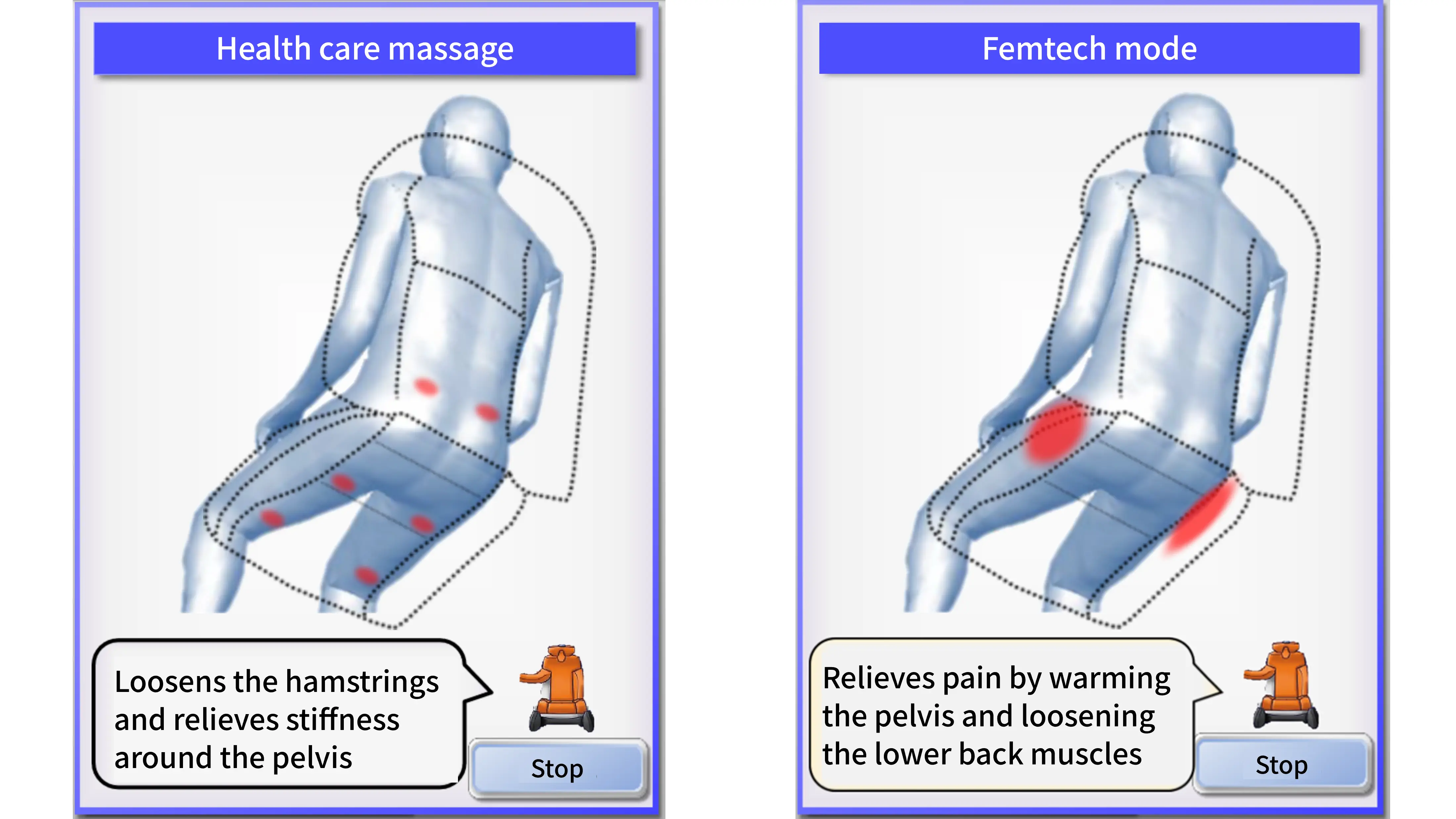
MatsushitaA hunched posture tends to occur when the hamstrings, the muscles at the back of the thighs, become stiff and cause the pelvis to tilt backward excessively, and this is considered to be one of the factors that contribute to lower back pain. The Health Care Seat helps improve posture to an ideal alignment by inflating air cells to massage and loosen the hamstrings to increase flexibility, and by applying pressure to the lumbar region around the lower spine. (Fig. 4)
In-house verification testing, in which employees used the seat continuously for one month, showed improvements in flexibility and posture.
We are also examining an additional function, a mode designed to relieve menstrual pain, in collaboration with those working on femtech* research underway for another internal project. Our approach includes inflating air cells around the waist to support and stabilize the pelvis, and combining heater-based warming with massage to promote blood circulation as a solution to address health issues specific to women. (Fig. 5)
*A portmanteau of “female” and “technology,” which refers to research that applies technology to find solutions to health issues specific to women at various life stages, including menstruation, fertility, pregnancy and postpartum, and perimenopause and menopause
YamauchiProviding massage while warming the area is also expected to improve flexibility. By coordinating control of multiple mechanisms such as air cells and heaters, we plan in the future to allow users to select the functions that meet their individual needs via OTA* updates, allowing even more personalized updates.
*An acronym of “over the air,” which refers to data communication via wireless communication to expand functionality and provide new value by updating programs to suit individual user needs
MizoiNo matter how attractive the product we develop is, we cannot bring our vision to life until it is actually installed in vehicles and used by end users. To that end the product has to be attractive to our customers (automotive manufacturers) in terms of not only functionality but also price.
In that regard, the Health Care Seat has strengths in its functionality, offering not just user-controlled massage, but posture and body type measurement and feedback. And since it consists solely of mechanisms around the air cells and does not use drive motors or body pressure sensors, we believe it will be able to offer competitiveness in terms of cost.
When we showcased the Health Care Seat at TS TECH’s Next-Generation Automotive Cabin Exhibition in 2022 and 2024, we received strong interest from numerous customers. In response to customer feedback, we are currently moving forward with research and development to further enhance commercial viability.
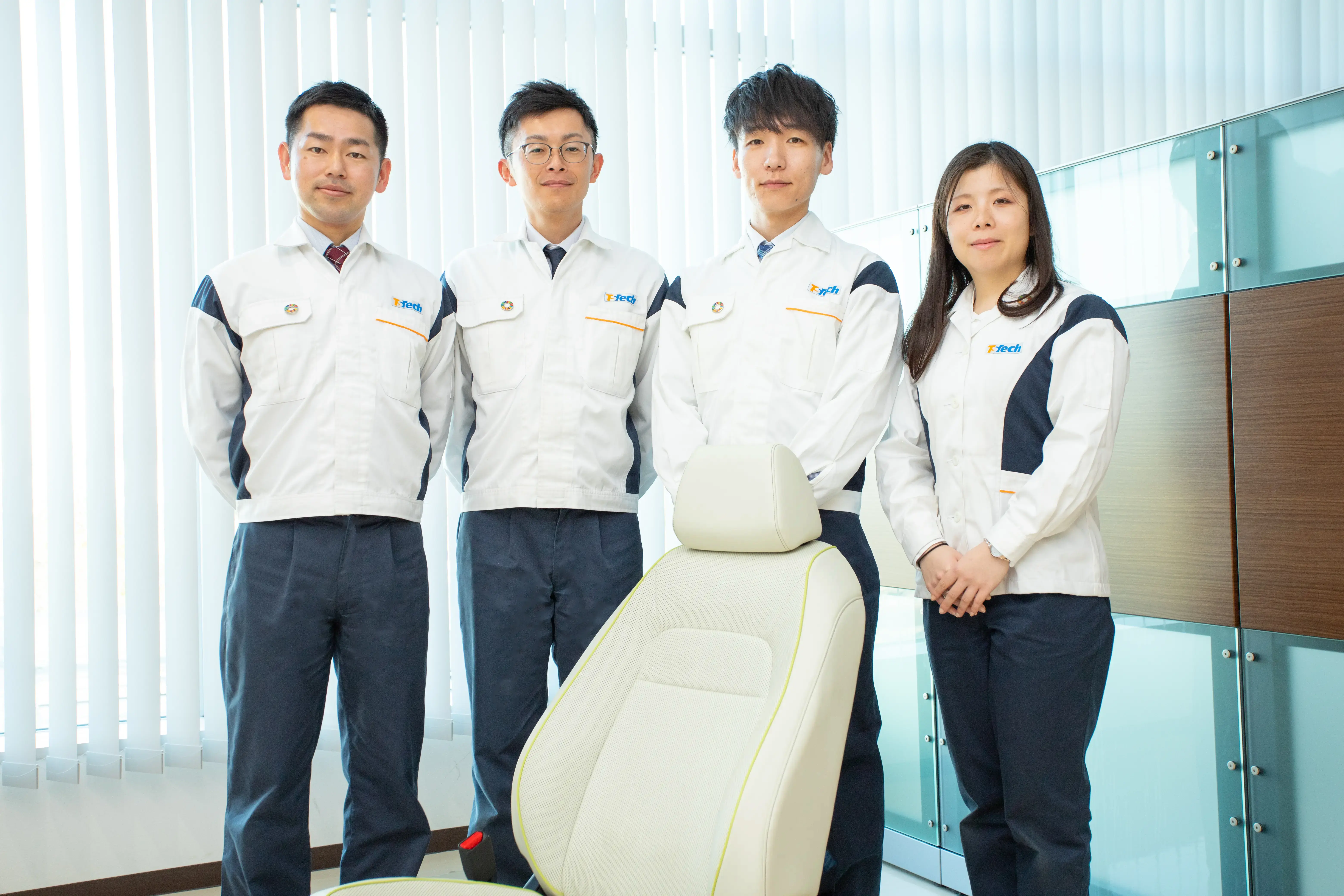
OshinoAt the same time, we are focusing on specification verification to ensure the product is viable, which includes verification of durability and interference with other components. As seats have grown increasingly multifunctional in recent years, they require an increasing number of sensors and electrical components, and one of the main challenges has been how to mount the Health Care Seat components within a confined space without generating interference. We have reviewed measurement methods that used multiple sensors placed in various areas, and simplified construction by minimizing the sensors built into the valves, achieving both weight and cost savings through component integration.
We are currently working on further refinements, such as optimizing the shape of the air cells and replacing related components with more compact ones to create a package that is easier to install as a product. Changes to air cell shape require reverification to ensure that the massage effect is not diminished, which is not a simple process, so we are pursuing development through trial and error to further improve comfort without impairing the functionality of other equipment.
MatsushitaUp until now, our evaluation work has primarily been conducted with healthy employees who work at TS TECH. But to further enhance effectiveness, I want to extend our research into more diverse perspectives by working with people from different backgrounds, including elderly individuals and those with medical conditions.
As autonomous driving and other new mobility technologies become more widespread, automotive cabin space will be expected to provide comfort and appeal that meet the broad needs of users ranging from younger to older generations. We will continue advancing effectiveness verification to enable the automotive cabin space to evolve into a space where people can relax, as if they were at home, and maintain both physical and mental well-being.
MizoiUltimately, I want this product to be a seat that makes users choose a specific car because it features this seat. As the ways people spend their time in automotive cabin space diversify, the value seats can provide should expand even further. I hope to expand the product beyond the front seats to the rear seats, too, as seats that can achieve both comfort and health. While maintaining the supportive companion concept inherited from the earlier model, we plan to continue providing products that exceed expectations worldwide and offer attractive added value as a company sincerely appreciated by all.
* This project consists of research and development into technologies related to automotive seats, and is not intended to cover manufacturing or sales of a product as a medical device.